 jobliz
Residential duct cleaning
air duct cleaning near me
Explain what your service includes and how the property affects the quote. Ask about the home and the reason for the inquiry.
Marketing for air duct cleaning
Air duct cleaning leads start with a customer who understands your service. Jobliz helps you explain the scope, reach your service area and organize inquiries around the work your team can deliver.
Websites · Local SEO · Google Ads · Lead follow-up
Start with the right work
Choose the services you want more of. Give each customer the information and next step that fit their request.
air duct cleaning near me
Explain what your service includes and how the property affects the quote. Ask about the home and the reason for the inquiry.
dryer vent cleaning in [city]
Give this service its own description and intake category. Confirm vent access and the property type before scheduling.
commercial duct cleaning
Describe the facilities you handle and how site assessments work. Ask about the building and operating-hour restrictions.
duct cleaning after renovation
Explain your assessment process and ask what work took place. Avoid promising that every renovated home needs the same service.
Search phrases are examples of customer intent, not measured rankings or demand estimates.
A practical starting point
Use this plan to review your current setup. Jobliz can help with the parts your business needs, with the scope agreed before work begins.
Talk through your plan
Identify which components, systems and property types your company handles. Explain what affects the quote and what is outside the service. Customers should understand the offer before they call.
Distinguish air ducts from dryer vents and other services. Use relevant project evidence and clear contact options. Link the pages where customers may reasonably need more than one service.
Keep business information accurate and focus local pages and ads on locations your team can serve. Match campaigns to available equipment and crew capacity.
Ask for the location, property type, requested service and known access details. Let your team confirm the scope and quote. Keep claims about health and guaranteed outcomes out of routine marketing.
Record valid inquiries, estimates, booked appointments and completed work by source. Flag requests for services you do not provide and use them to improve the website and targeting.
Get found. Give people a reason to call.
Useful content makes the business easier to evaluate. Accurate information, relevant services and a working inquiry path give that content a purpose.
Customers need to know what your air duct cleaning service includes. List the actual work your team performs, how systems and property size affect the estimate, and which requests need an assessment. Publish any advertised price only with the scope and conditions your business approves.
Your website should answer those questions before asking for contact information. Clear expectations help your team spend less of the first conversation correcting an assumption created by the advertisement.
The EPA’s guidance describes limits in the evidence for duct cleaning benefits. Marketing should not promise that cleaning prevents illness or that every home needs it on a fixed schedule. Focus on your process and what your team can assess.
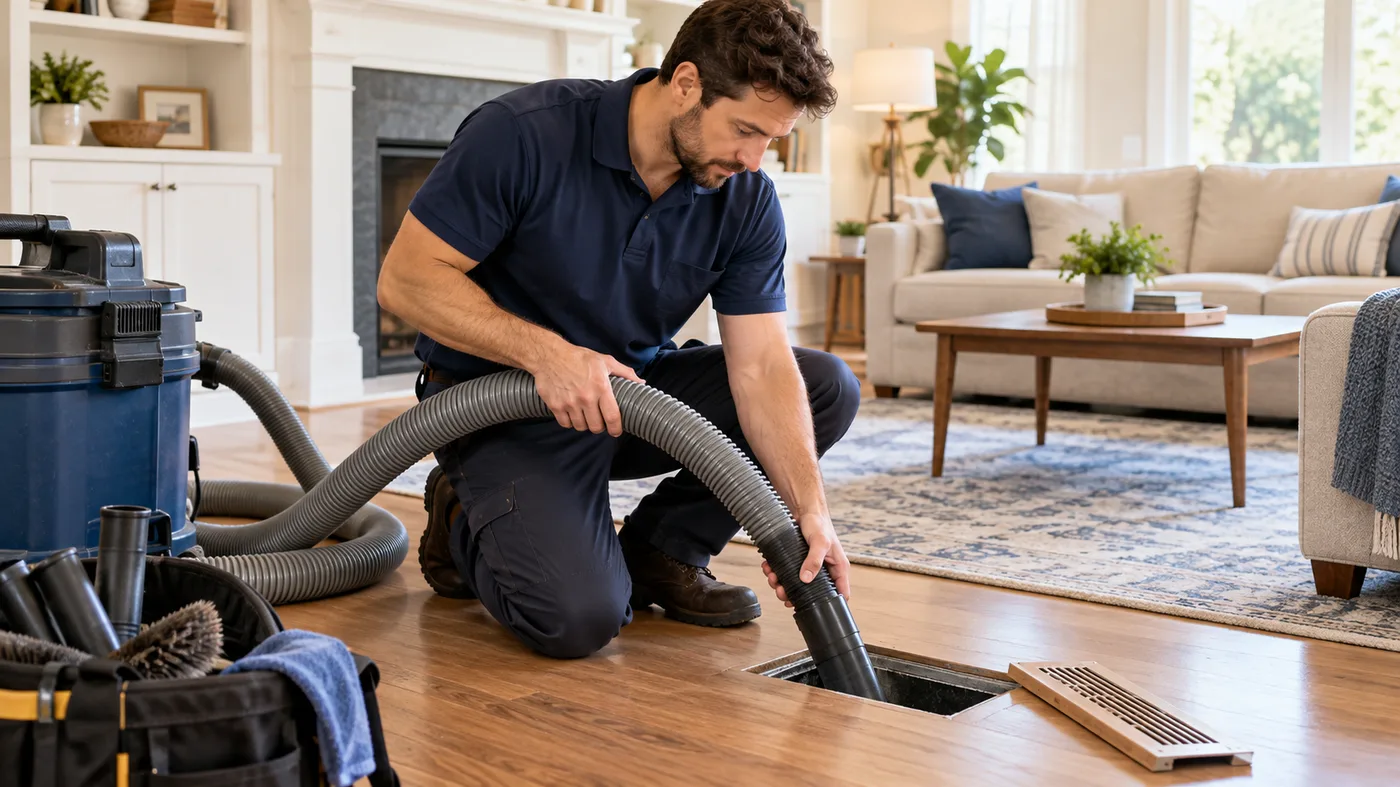
Use photographs responsibly. A labeled illustrative scene can introduce the service, but a before-and-after claim needs genuine evidence from that job. Obtain permission for real property photographs and avoid exposing customer details.
Air duct cleaning, dryer vent cleaning and chimney sweeping should have clear descriptions and separate inquiry categories. Customers may use the terms loosely. A short explanation and a simple question at intake can route the request correctly.
If the company offers chimney services, connect the relevant pages while preserving their distinct scope. Avoid putting every related term on one page without explaining which work the crew actually performs.
Keep your business name, contact details, hours and service area accurate. Build local pages for real coverage and give each page information that helps a customer decide whether to get in touch. Local SEO should support that useful structure.
During intake, ask about the property, requested service and access conditions. Avoid making the first form so long that a homeowner must diagnose their system to complete it. Your team can confirm technical details during the follow-up.
Separate spam, duplicate requests and out-of-area inquiries from genuine prospective jobs. Then follow the genuine inquiries through estimates, bookings and completed services. A form submission is the start of that process.
Review why jobs did not proceed. Scope confusion calls for clearer content; unavailable dates call for a capacity decision. Follow-up tools can help organize the next action, while your team remains responsible for service recommendations and confirmed appointments.

A useful inquiry needs a useful response
Use these questions to route a new inquiry. Keep the first conversation simple, then let your team confirm the job.
Put your own numbers to work
Use the same reporting period for all three figures. Include advertising and management costs for an all-in comparison. Count qualified leads and the jobs booked from those leads.
Starts with an illustrative example, not an industry benchmark or a forecast. Your entries stay in this page and are not submitted.
| Source | What you invest in | What to check |
|---|---|---|
| Your website & local SEO | Useful pages, accurate local information and ongoing improvements. | Relevant search visits, qualified inquiries and the jobs they produce. |
| Google Ads / eligible Local Services Ads | Advertising spend plus the work to manage campaigns and landing pages. | Approval requirements, targeting, lead quality and cost per booked job. |
| Purchased leads or directories | The provider’s fees and your team’s time qualifying the requests. | Sharing terms, duplicates, source transparency and actual completed work. |
Jobliz’s website, search and advertising work is scoped around your business. See current plans and pricing; campaign spend and other marketing scope are confirmed separately.
Questions before we talk
Answers for business owners comparing their next marketing step.
Ask about your businessPublish clear descriptions of the services you provide, maintain accurate local business information and make requesting a quote simple. Target relevant searches in your service area and keep air duct and dryer vent inquiries distinct. Explain what affects the price, then measure qualified requests and completed appointments by source.
Include the property types you serve, the actual cleaning scope, what affects a quote, coverage and a clear contact option. Use real process or project images with permission. Explain how a customer gets an assessment and what details help your team respond. Avoid vague whole-house offers that leave the customer unsure what is included.
Usually, when you offer both. They are different requests with different scope and intake questions. Separate pages can explain each service clearly while linking to one another. Keep campaign and booking categories separate so you can see which work each channel produces.
Do not make unsupported health promises. The EPA says duct cleaning has not been shown to prevent health problems and does not recommend routine cleaning for every home. Describe your service and assessment process accurately, and let qualified professionals address the customer’s specific circumstances. The EPA resource linked here explains the limits of the evidence.
Show your coverage, scope and quote process before the inquiry. Ask whether the request is residential or commercial and whether it concerns ducts or a dryer vent. Review unsuitable inquiries by source. If customers repeatedly expect something you do not offer, change the page or campaign that created that expectation.
Costs vary with geography, competition, offer and lead quality. Compare total channel spend with qualified inquiries and completed jobs from the same period. Include the cost of management when judging the full investment. Use your own figures in the calculator; the example values are not industry benchmarks.
Yes. We can connect the services under one business while giving each one a clear page and inquiry category. That helps your team route the request and keeps the customer’s expectations accurate. The agreed scope determines which website, search and follow-up work Jobliz handles.
No. Visibility, demand, pricing, service area, phone coverage and available appointments all affect bookings. The website should support a clear customer decision and make the inquiry easy. We review it alongside search targeting and follow-up so the parts work together.
Let’s talk about your business
Tell us your service area, the work you want and what your current marketing is doing. We’ll discuss the website, visibility or follow-up work that fits.
Send Jobliz an inquiryOpens our inquiry form in a new tab.
Or call +1 (888) 606-6648We confirm the scope and costs before you commit. Lead volume, rankings and platform approvals cannot be guaranteed.
Explore plans and pricing
Repair calls, opener jobs and installation estimates, with a plan for each.
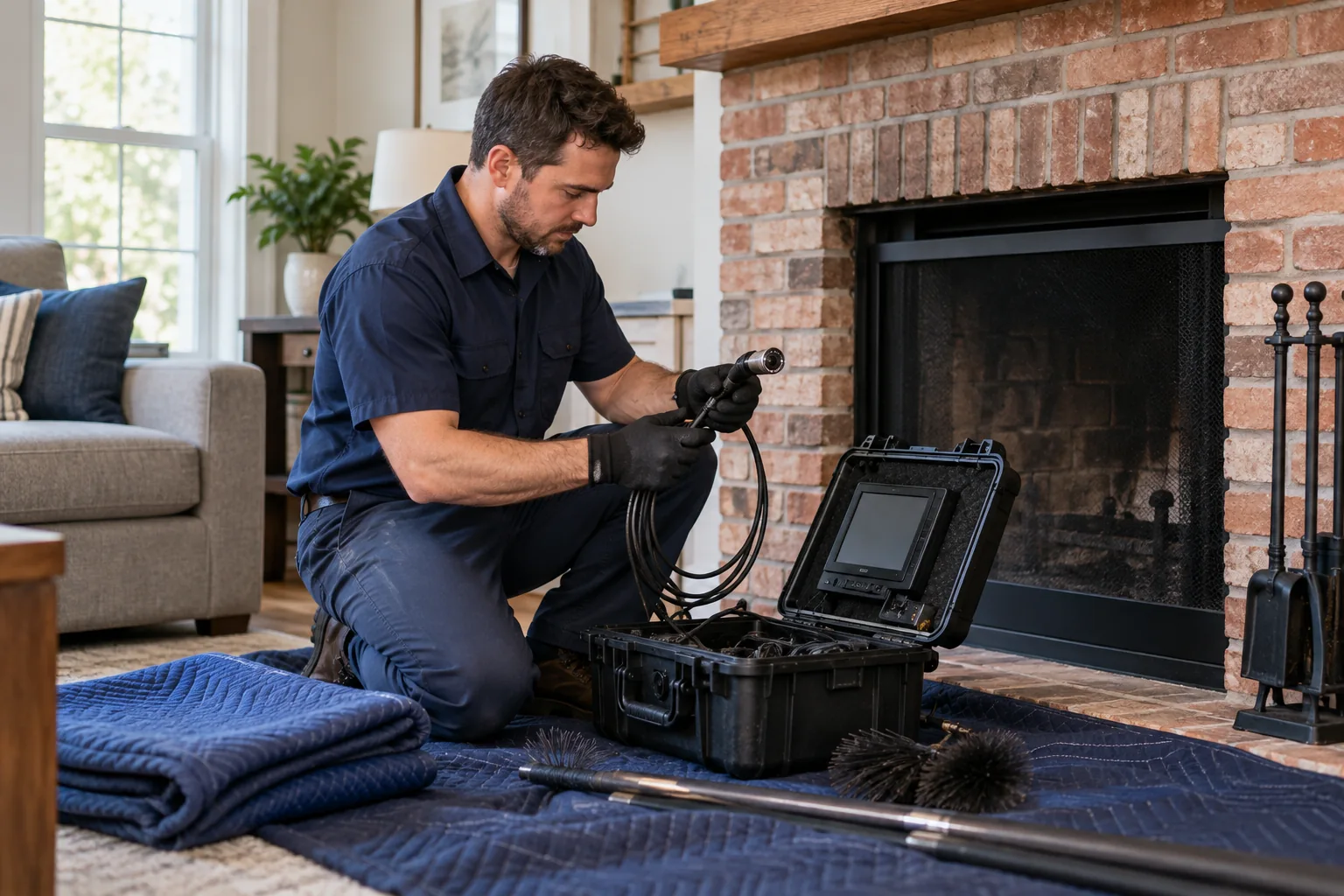
Sweeps, inspections and repair estimates with a clear path to scheduling.

Project inquiries matched to your scope, coverage and estimating process.
Reviewed by Jobliz · October 28, 2026 · Illustrative imagery
Platform rules and availability can change. Confirm the requirements that apply to your business before launching a campaign.